Buying a commercial unit is only half the decision. The other half — and the part that determines whether your investment actually performs — is matching your intended business format to what the space and location genuinely support. Let’s work through that specifically for Aura Vantaje.
Retail: Who This Actually Suits
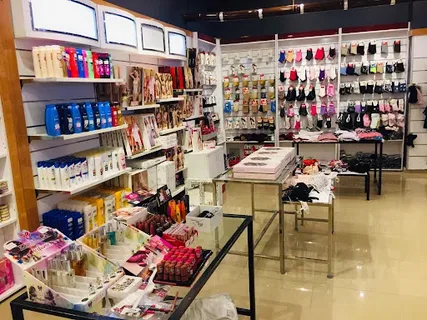
With retail units ranging from roughly 400 to 3,000 sq. ft., the project accommodates everything from compact boutique storefronts to larger format stores. Given the six-lane Sohna Road frontage and the established residential catchment surrounding the project, retail formats that benefit from high passive visibility — fashion, lifestyle, electronics, F&B takeaway counters — are particularly well-positioned here compared to retail categories that depend more on destination shopping and less on drive-by visibility.
If your retail concept depends on customers specifically seeking you out regardless of visibility (a specialty niche retailer, for instance), the location advantage matters less to your specific business model than it would for a visibility-dependent brand.
Office Space: The Compact-and-Efficient Angle
Office spaces reportedly start from around 1,000 sq. ft., positioned as suitable for startups, freelancers, and small businesses specifically. This sizing makes sense given the location — professionals increasingly prefer workspaces closer to where they live, and Sector 48’s residential density supports genuine demand for smaller, nearby office formats rather than commuting into central business districts for every workday.
For businesses evaluating this option, the calculus is straightforward: if your team is small and your clients or employees live in or near Sector 48, Golf Course Extension Road, or the broader Sohna Road corridor, a compact local office here reduces commute friction for everyone involved compared to a central Gurgaon address.
The Food Court Floor: A Different Kind of Opportunity
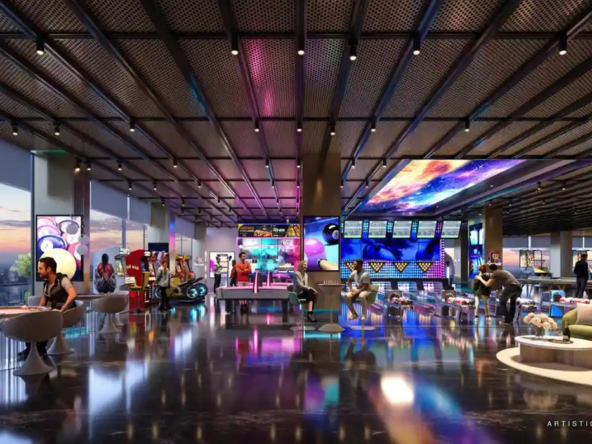
The dedicated food court, reportedly located on the third floor, represents a genuinely distinct investment and business category from the retail and office floors. F&B formats here benefit specifically from captured cross-traffic — people already in the building for retail or office purposes represent a built-in customer base, distinct from standalone F&B locations that must generate all their own footfall.
For an investor rather than an operator, food court units in successful mixed-use developments can offer attractive lease terms specifically because F&B tenants value that captured audience highly — worth discussing directly with the developer’s leasing team to understand typical F&B tenant demand and lease structures for this specific floor.
What the Mixed-Use Zoning Signals About the Project’s Design Intent
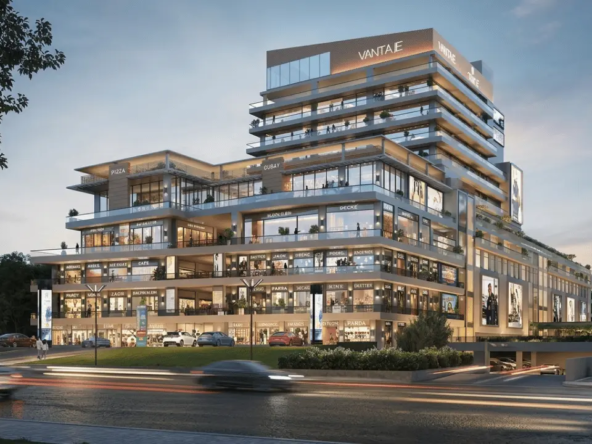
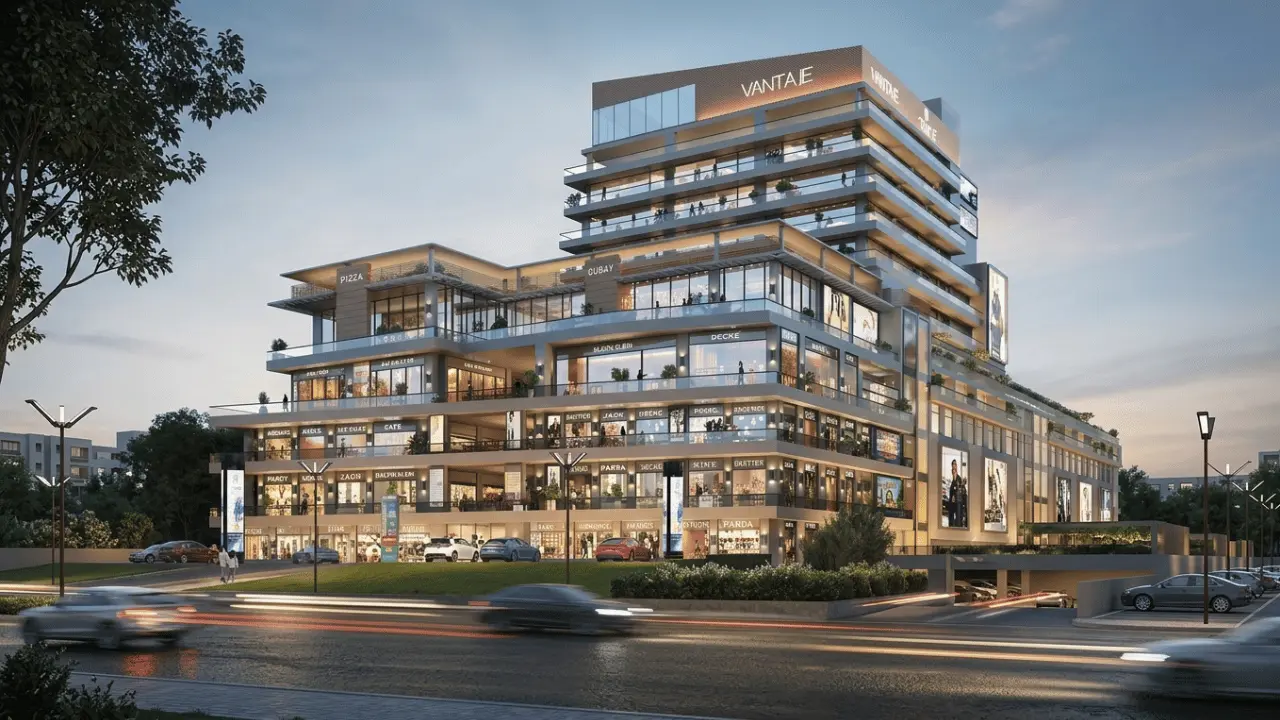
The deliberate vertical zoning — retail low, offices mid, F&B positioned to capture cross-floor traffic — suggests the developer designed the building’s tenant mix intentionally rather than simply subdividing floor space generically. This kind of purposeful zoning generally supports stronger overall building performance than commercial developments where tenant mix happens organically rather than by design, since complementary businesses reinforce each other’s footfall rather than competing purely on their own.
Current unit availability by format — retail, office, or food court — is listed on the Aura Vantaje sector 48 gurgaon project page, useful for matching your specific business or investment goals to available inventory.
Questions Worth Asking Before You Commit to a Specific Format
Before choosing between retail, office, or food court investment here, ask the developer directly: What’s the current committed or projected tenant mix across the building? Are there any exclusivity clauses preventing direct category competition on the same floor? What’s the typical lease duration and renewal structure for each specific format? These answers materially affect your realistic return expectations regardless of which floor category you’re considering.
The Format-Neutral Investment Case
Regardless of which specific format you choose, the underlying location advantages — Sohna Road frontage, established residential catchment, RERA compliance — apply across all three categories. The right choice ultimately depends on your specific goals: active retail or office operation versus passive rental income, and your comfort level with F&B-specific tenant dynamics versus more straightforward retail or office leasing.
Frequently Asked Questions
- What size retail units are available at Aura Vantaje?
Retail spaces range from approximately 400 to 3,000 sq. ft., accommodating both compact boutique formats and larger stores. - Is the office space suitable for larger corporate tenants?
Office spaces starting around 1,000 sq. ft. are positioned primarily for startups, freelancers, and small businesses rather than large corporate tenants requiring extensive floor plates. - Where is the food court located within the building?
The food court is reportedly situated on the dedicated third floor, designed to capture cross-traffic from the retail and office floors. - Which business format offers the best investment potential here?
This depends on individual investment goals — retail benefits most from the six-lane road visibility, while food court units benefit from captured in-building traffic; both should be evaluated against your specific risk and return preferences. - Can a single investor purchase units across multiple formats?
Generally, yes — commercial developments like this typically allow investors to purchase multiple units across different floors and formats, though buyers should confirm specific terms with the developer’s sales team.